Carnival to Drydock 32 Ships by 1H 2016

Carnival to Drydock 32 Ships by 1H 2016

By Greg Trauthwein
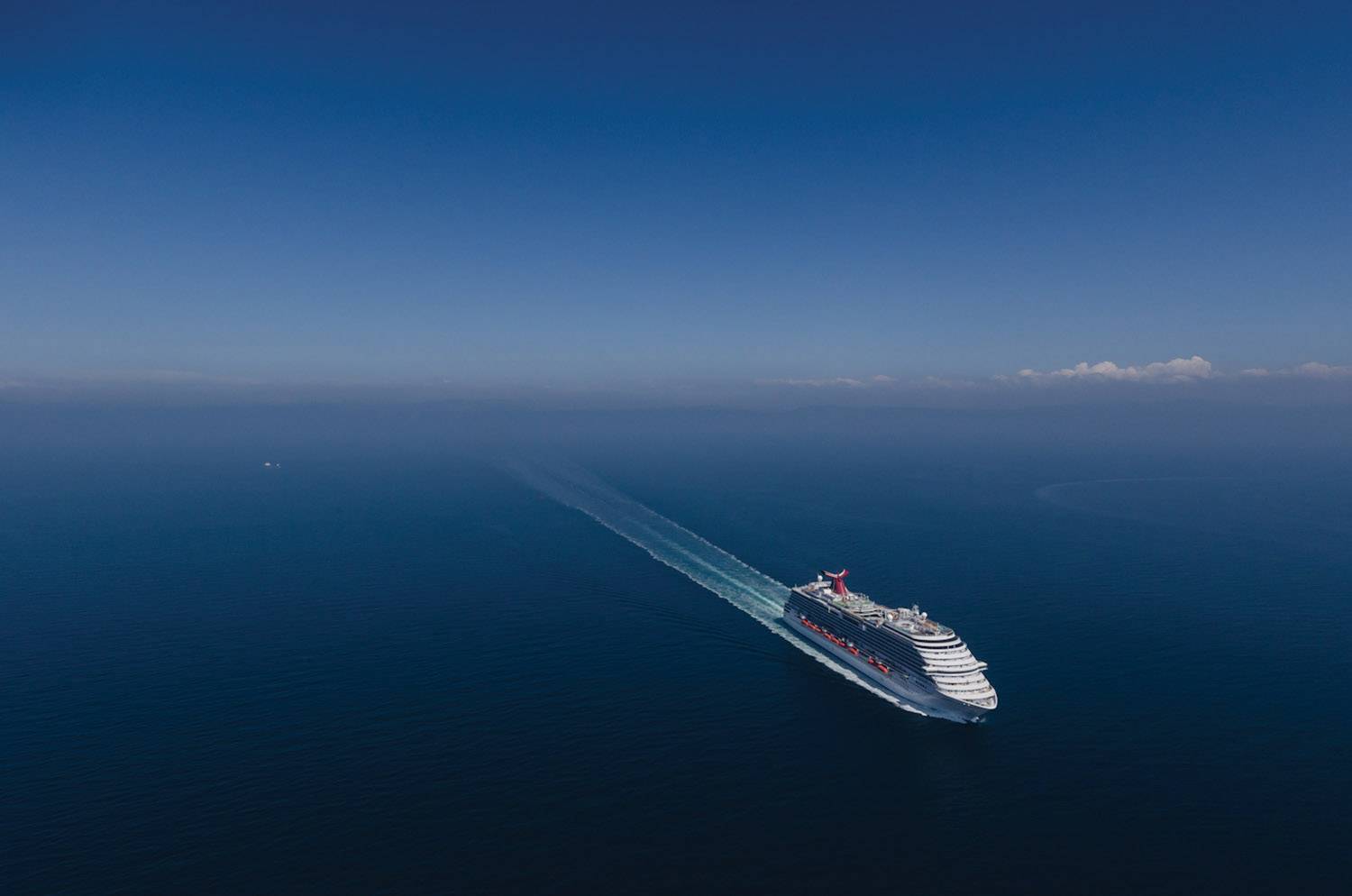
File (Photo: Carnival)
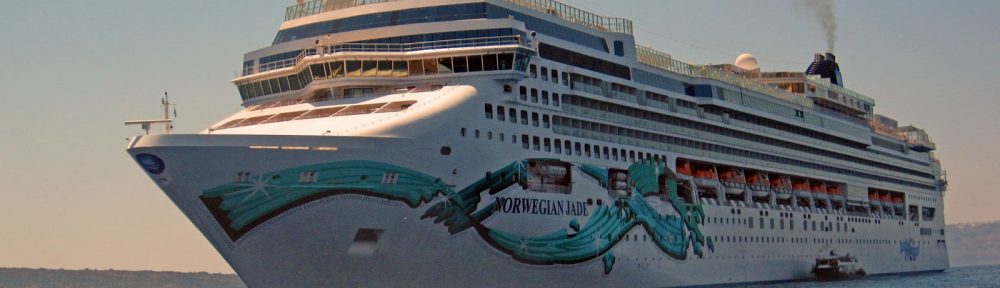
(Photo: Carnival)

In the quest meet stringent new emissions regulations, cruise industry major Carnival Corp. earlier this month reached an agreement in principle with the U.S. Environmental Protection Agency (EPA) and Coast Guard to develop its own advanced emission control technology to be used in waters surrounding U.S. coasts. The plan calls for the cruise major to drydock 32 ships between now and the first half of 2016.

According to the EPA, Carnival will develop and deploy a new exhaust gas cleaning system on up to 32 ships over the next three years to be used in Emission Control Areas (ECA’s), the area around U.S. and Canadian coasts where ships must reduce air pollution emissions.
The new controls to be developed and deployed combine the use of sulfur oxide (SOx) scrubbers with diesel particulate filters, which essentially combines technologies well known in the power plant and automotive sectors, but not previously used together on a marine vessel.
The technology can also provide additional benefits in the reduction of particulate matter and black carbon, and according to the release from the government, will provide an opportunity for ECA compliance at a significant (50% or greater) reduction in cost and may yield emission reductions beyond those required by current requirements.

The ECAs were developed by the U.S. and Canada through an agreement with the International Maritime Organization  (IMO) in order to protect human health and the environment by significantly reducing air pollution from ocean-going vessels. By 2020, ECA limits will reduce nitrogen oxide (NOx) emissions by 320,000 tons, particulate matter (PM) emissions by 90,000 tons, and SOx by 920,000 tons. Each year, the standard will also result in the prevention of tens of thousands of premature deaths while relieving respiratory symptoms for nearly five million people.
This announcement follows a growing trend, as in late 2012 U.S. containership owner TOTE announced its plans to build a series of high-spec ships at NASSCO that incorporated MAN Diesel & Turbo engines capable of burning LNG as fuel.
A joint letter from the Coast Guard and the U.S. EPA to Michael Kaczmarck, Carnival’s VP of Shipbuilding, said: “Under the proposed trial program, Carnival will install exhaust gas cleaning systems for engines on 32 vessels that operate in the ECAs, and those systems will help enable the vessels to meet or exceed the sulfur emission levels required within the ECAs. We understand that Carnival will install sufficient exhaust gas cleaning capacity on each of the ships to meet or exceed the 2015 ECA fuel sulfur requirements. Additionally, these exhaust gas cleaning systems will be installed during vessel drydocks on the following schedule: 9 ships in 2014; 16 ships in 2015 and 7 ships in the first half of 2016.”

Carnival strikes deal with EPA on emissions

Carnival strikes deal with EPA on emissions

By Tom Stieghorst
Carnival Corp. has reached an agreement with the U.S. Environmental Protection Agency to avoid using costly low sulfur fuels on 32 of its 102 ships.

The fuels are the main way the cruise industry is expected to meet stricter air pollution rules of the North American Emissions Control Area that take effect in 2015.

Under the agreement, Carnival will install exhaust scrubbers on the ships during a trial period, an alternate way to curb emissions of sulfur dioxide, nitrous oxides and particulates.

Carnival said it will spend $180 million to buy and install the equipment for some ships sailing for Carnival Cruise Lines, Holland America Line, Princess Cruises and Cunard Line. Which ships will get the technology has not been announced. Carnival has been testing a scrubber on Cunard’s Queen Victoria ship.

In addition to the EPA, the U.S. Coast Guard and Transport Canada support for the program, Carnival said. Armed with those key endorsements, it will now ask flag states that oversee various ships to allow the trial to proceed.

As part of the agreement, Carnival committed its ships to use shore power or less polluting marine gas oil for fuel while docked in U.S. ports.

Previously, the EPA had rejected a cruise industry proposal that would have let some ships burn high sulfur fuel as long as average emissions were lowered in a geographic area to meet the standard.

An agreement on the Emissions Control Area (ECA) is critical to cruise markets like Alaska, where cruises operate almost entirely within the 200 mile ECA zone, and costs for low-sulfur diesel can be double the charges for traditional fuel.

Paddlewheeling in the Pacific Northwest

Paddlewheeling in the Pacific Northwest

By Michelle Baran
InsightWhen you think of paddlewheeling, most likely it’s Mississippi that comes to mind, not the Pacific Northwest. But when the 223-passenger American Empress relaunches on the Columbia and Snake rivers in April, it will bring to at least two the number of paddlewheelers sailing along the scenic western routes, paddlewheelers with a somewhat storied and related history in the region.

For U.S. river cruising enthusiasts, the relaunch of the American Empress, which has been dormant since 2008, is likely an exciting offering. The paddlewheeler is undergoing a complete renovation and interior overhaul so that it can once again sail along the rivers it originally plied when it first launched 10 years ago.MichelleBaran

The American West Steamboat Co. introduced the American Empress — then a 235-passenger vessel called the Empress of the North — in Alaska on Aug. 10, 2003, as a reproduction of a 1800s-era paddlewheeler. The vessel’s inaugural 11-day Inside Passage cruise from Seattle to Juneau marked the first overnight sternwheeler cruise in Alaska in more than a century.

In October 2003, the Empress began sailing along the Columbia and Snake rivers out of Portland, Ore., alternating itineraries between Alaska and the Pacific Northwest. In 2006, Ambassadors acquired American West, and the Empress of the North became a part of Ambassadors’ Majestic America Line fleet.

On May 14, 2007, the Empress ran aground en route to Glacier Bay from Juneau. There were no injuries, but the vessel incurred damage to the hull and took on water, causing it to list. After repairs, the vessel returned to service that summer and sailed until the collapse of Majestic America Line in late 2008.

When the Empress relaunches in April, it will join one other paddlewheeler on the Columbia and Snake rivers: the 120-passenger Queen of the West, a fellow Majestic America alum, which American Cruise Lines acquired from Majestic as it was unloading its assets in 2008.

The Queen of the West was originally launched in 1995, also by the American West Steamboat Co., which was founded that same year. Also in 1995, the American Queen launched too, which is now owned by the American Queen Steamboat Co.

So, it would appear, what goes around comes around. Just like a paddlewheel.