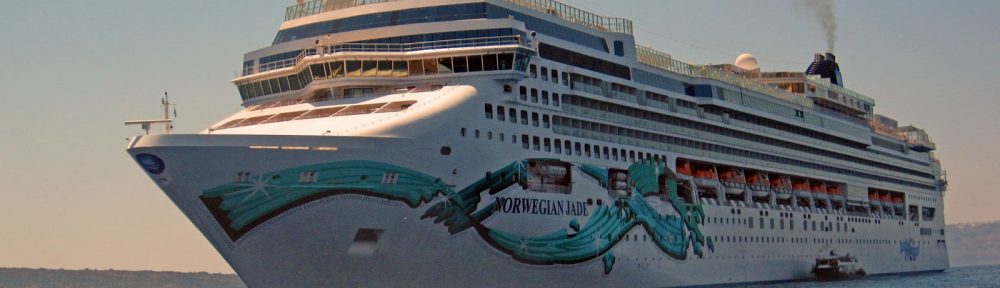
Princess Cruises has been forced to cut short the current voyage onboard Caribbean Princess because of impending weather forecasts and a suspected outbreak of norovirus.
The vessel is scheduled to return to US waters today, one day earlier than had been intended in the itinerary, because of a heavy build up of dense fog that is expected to descend along the US coast tomorrow and for most of the weekend.
It will also require extra time for sanitisation under the watchful eye of the US Centers for Disease Control and Prevention, after passengers reported symptoms of the vomiting bug to the ship’s medical bay. According to reports, five passengers are sick with nausea and diarrhoea at present, however some 165 passengers and 11 crew are believed to have fallen ill during the course of the trip.
That represents five per cent of the 3,104 guests aboard Caribbean Princess and less than one per cent of the 1,148 staff members, which is someway short of the eye-watering number of sick reported aboard Royal Caribbean’s Explorer of the Seas this week, when more than 20 per cent of the 3,071 passengers reported with symptoms.
However, this represents the third confirmed outbreak of norovirus already this year. Last year by way of comparison, there were nine outbreaks in total. In order to stay on track with its accelerated timeline, the ship, which has been sailing since January 25th, was forced to skip a planned call at the port of Belize.
Princess said in a statement: “Because of the increased sensitivity surrounding Norovirus by both cruise lines and the CDC in this winter season, we notified the CDC who will be boarding on Friday to ensure all appropriate measures are followed for an extensive sanitation of the ship prior to the next cruise.”
Passengers will be provided with overnight accommodation in local hotels once the ship arrives in port, as well as a future cruise credit worth 20 per cent of their fare and a one-day allowance to put towards meals and other costs.
Tag Archives: cruise lines
Coast Guard to propose cruise ship video surveillance rules
By Tom Stieghorst
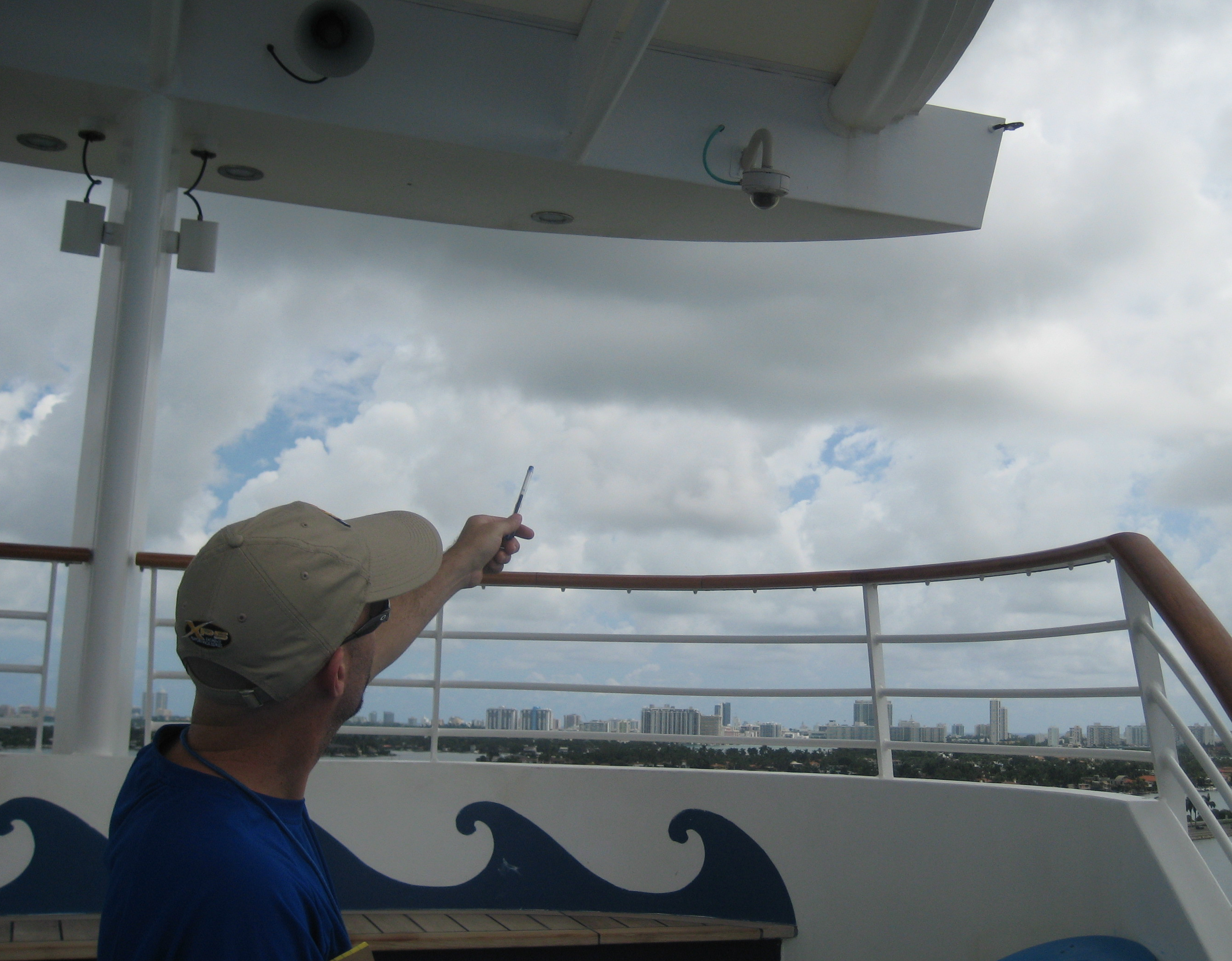
The proposed rule, expected out in June, will outline how cruise lines can comply with a requirement in the Cruise Vessel Safety and Security Act that they deploy technology for “capturing images of passengers or detecting passengers who have fallen overboard.”
Also addressed in the rule will be how a cruise ship’s video surveillance system should be operated to document crimes on the ship and assist in their later prosecution.
Advocates of the law say the provisions will make passengers feel more secure about taking a cruise.
But the cruise industry has raised red flags about the cost and practicality of applying the law. In one instance, a cruise line told auditors at the Government Accountability Office (GAO) that just doubling the time it keeps video footage from 14 to 28 days would cost an extra $21.8 million.
Most of the 15 provisions in the 2010 act, such as peepholes in cabin doors and standard rail heights, had been translated into Coast Guard guidance by June 2011.
The remaining ones involved complex technologies and, in some cases, language in the law that didn’t set a clear benchmark for gauging compliance.
In the case of detecting when persons fall overboard, the law called for compliance “to the extent that such technology is available.”
The Coast Guard asked for input from cruise lines, CLIA and passenger advocacy groups to help formulate its rule.
A recent report by the Miami Herald found that at least 28 passengers went overboard on cruise ships between October 2010 and June 2013. Rapid detection of persons going overboard would clearly enhance safety, but cruise lines say the jury is still out on automated detection systems.
CLIA told the Coast Guard that the technology to capture images of overboard episodes exists, but not the ability to detect them in real time. CLIA said vessel movement, sun glare, salt spray encrustation and weather all make instruments unreliable.
If detectors either fail to report incidents, or report false incidents, that would raise the cost, liability and burden on passengers.
Still, several cruise lines are testing various technologies. One unidentified cruise executive told the GAO that if companies are required to go to the expense of installing detectors, they should not produce inaccurate results that would increase operating costs.
Video surveillance is another area where technology exists, but its application is open for debate. Victim advocacy groups say existing cameras should be monitored continuously for crime, and recorded images should be stored for up to 90 days.
CLIA recommended a risk-based approach that would take into account differences among vessels, cruise lines and itineraries and said video should be stored for a week, nearly matching the average cruise length of 7.2 days.
Coast Guard officials told GAO auditors that when the rule is issued in June, rather than being prescriptive it is likely to be performance-based — outlining what is to be achieved — to allow for some flexibility in implementation.
Carnival Corp. inks Internet deal with MTN
By Tom Stieghorst

Also, MTN said Carnival extended their existing agreement for provision of broadcast television services. MTN Worldwide TV provides satellite television to 50 ships.
Carnival Corp. ships in Alaskan waters will continue to leverage MTN’s Terrestrial Broadband Services while in port, with the opportunity to explore the possible expansion of this service, MTN said.
Princess Cruises has been forced to cut short the current voyage onboard Caribbean Princess because of impending weather forecasts and a suspected outbreak of norovirus.