The Borealis from Fred. Olsen was the last cruise ship to call at Port of Cork for the 2022 cruise season last week, capping off a successful restart for the port that saw over 115,000 passengers and 90 vessels visit, according to a press release.
The cruise industry is estimated to contribute €70 million to the national economy and €14 million to local economies such as Cork annually. This year, 90 cruise ships docked in the Port of Cork and Bantry Bay Port, returning to pre-pandemic levels, according to the port.
“We made many strides in rebuilding the sector to pre-pandemic levels and the outlook for 2023 is even more positive – with in excess of 100 vessels scheduled to call to the Port of Cork so far,” said Conor Mowlds, chief commercial officer, Port of Cork Company.
Some COVID precautions and practices were still in place this season, with many ships operating at 75 per cent capacity. Prior to the pandemic, the Port of Cork had planned for 100 cruise ships per year, while in 2022 it received 12 first-time calls, bringing the total number of calls to 81.
“The atmosphere in the town when a ship is in is just electric – not only from the influx of passengers on board visiting Cobh but from the many people who visit from all over the country to see these ships up close. It has been especially beneficial for Cobh tourism and trade,” added Johanna Murphy, president of, the Cobh and Harbour Chamber.
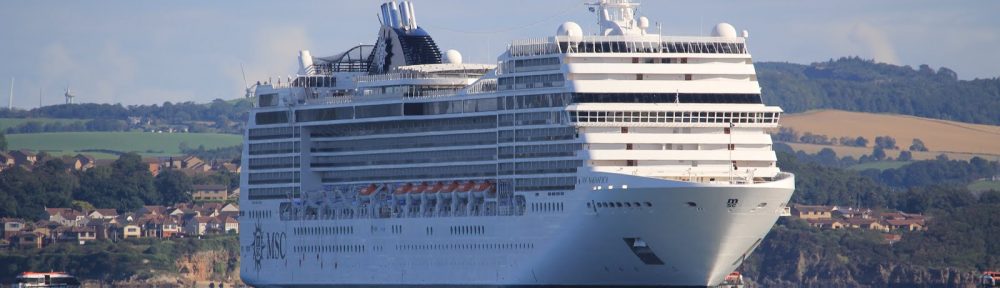
The docking of the MSC Virtuosa, which made its maiden call on September 29, was one of the season’s highlights, as it became the largest vessel to dock in Cork this year.
Meyer Turku has always been at the forefront of new technologies, Tim Meyer, CEO, said to Cruise Industry News, noting that the yard built the first LNG-fueled passenger vessel, the Viking Grace and that its sister yard in Papenburg delivered the first LNG-fueled cruise ship.
“It is important to understand that every time we build a prototype, we set very ambitious targets for GHG emissions and fuel consumption so that the new ship becomes more efficient. That becomes part of our building contract with most customers and, of course, by reducing the fuel consumption, we also lower our customers’ operating costs.
“Over the years, we have been introducing new technologies in our newbuilds, such as, for example, podded propulsion; air lubrication to reduce the hull’s resistance in the water; advanced wastewater treatment, ballast water treatment, and more, which eventually have become building standards for the cruise industry.
“Now, we are focusing on HVAC, which is a large energy consumer,” Meyer continued. “It is not necessary to cool down all the public rooms all the time, when there are no people present, for example, or staterooms when people leave.
“There is also the ventilation and exhaust from the galleys that used to run around the clock. We are now optimizing this, so it is only running when there is cooking going on.”
In addition, Meyer Turku is looking to develop a carbon-neutral cruise ship concept by 2025, working with suppliers, universities and research organizations, as well as the state of Finland.
“This is a very important effort and will be key to our success going forward,” Meyer said. “On one hand you have the ship itself, on the other hand, you have the shipyard, and then we have our network and supply chain that can be optimized.
“A cruise ship is like a small city; you have everything from water production to wastewater treatment and so on. The goal is to have all these systems working together as efficiently as possible, and with AI (artificial intelligence) we will be able to do just that.
“Another pillar is our people, so we are also focused on creating new competencies within the yard, looking at how we are working and developing new ideas for methods and procedures.”
As a shipbuilder, Meyer said the company can literally build anything. However, the key is that it must make sense.
“When you have a ship such as the Viking Grace running between Stockholm and Turku, then it makes sense to operate on LNG, as long as you have a fixed route. But if you have a cruise ship sailing all over the world that may not work if LNG cannot be bunkered. So, you have to adapt the product.
“The big question is what fuels will be available and where they will be available,” Meyer continued.
“Another factor that plays in is the energy density of marine fuels. Diesel oil has the most energy per litre; methanol has only half as much, LNG a little less than methanol; liquefied ammonia, liquid organic hydrogen carriers and liquefied hydrogen even less.”
Thus, future fuels could impact the design and general arrangement of future ships, tank space and bunkering frequency.
“What do zero emissions mean,” Meyer asked rhetorically. “Does it mean no exhaust only or does it also mean no sound and no vibrations? What is important for us is to look at different aspects, not only the cruise ships themselves but also the supply chain. Germany, for example, is studying how to make steel production more sustainable. As a shipyard, we cannot do all of this but work as partners with our suppliers.
“We have to look at the whole picture, and if you compare to what people do on land, let’s say they drive their car, heat their homes, prepare food, go to the theatre and so forth. If you add all that up on a per capita basis, I think cruise ships will come out quite well.”
Contrary to land-based hotels and resorts, there is no waste of energy on a cruise ship, according to Meyer, who said that is a challenge the shipbuilder has been tackling for years and continues to look for new solutions.
According to a press release, Royal Caribbean International has revealed the first look at the highly anticipated Icon of the Seas, the Icon of Vacations.
Arriving in late 2023 ahead of its January 2024 debut, the company announced the first Icon Class ship will be the travel industry’s first-of-its-kind combination of the best of every vacation.
From the beach retreat to the resort escape and the theme park adventure, with Icon, every kind of family and adventurer can experience their version of the ultimate family vacation. Vacationers can book their iconic adventure on Royal Caribbean’s website on Tuesday, Oct. 25. Crown & Anchor loyalty members can look out for special access on Monday, Oct. 24.
“With each new ship, we raise the bar in the travel industry while enhancing what our guests know and love,” said Jason Liberty, president and CEO, of Royal Caribbean Group. “From the moment they step on board, every experience is specifically designed to give them the best vacation anywhere on land and at sea. With Icon of the Seas, we’ve taken this to a new level and made the ultimate family vacation.”
Whether “family vacation” means getting away as a family, couple or friends, Icon’s all-encompassing lineup features a variety of firsts and next-level favourites for everyone. There are adrenaline-pumping thrills, including the largest waterpark at sea, and unrivalled ways to chill with more ocean views and pools – one for each day of the week – than ever before, plus a blend of more than 40 new and returning dining, bar and nightlife options, and cutting-edge entertainment.
“Icon of the Seas is the culmination of more than 50 years of delivering memorable experiences and our next bold commitment to those who love to vacation,” said Michael Bayley, president and CEO, of Royal Caribbean International. “Now more than ever, families and friends are prioritizing experiences where they can bond and enjoy their own adventures. We set out to create a vacation that makes all that possible in one place for the thrill-seekers, the chill enthusiasts and everyone in between, without compromise. It’s this first-of-its-kind combination that makes Icon the future of family vacations, and that future is here.”


 Wetravel2u's Weblog