Ah, the cruise life. Imagine a blissful week away from the daily stresses and drudgery, complete with a soak in the hot tub, leisurely dinners full of genteel conversation and some quiet reading — or snoozing — in the sun. That is, until a gang of rug rats swamps the hot tub, whines through dinner and comes careening around the sun deck, all high-pitched shrieks and spraying water.
Like it or not, the mainstream cruise lines have gone family-friendly. This is a boon for parents and multi-generational groups looking for trips with something for everyone. It’s less appealing for couples and groups of adult friends who aren’t won over by wee travellers … or parents hoping desperately for some time to themselves while the grandparents stay home with the kids. Although cruise lines do their best to occupy the under-18’s with kitted-out kids’ clubs and dawn-till-dusk activities (not to mention late-night parties and baby-sitting), kids have been known to run free on ships, hanging out in stairwells, incessantly riding the elevators and generally annoying their elder shipmates.
If you don’t want to put up with wayward whipper snappers on your cruise, you don’t have to. Many cruises sail entirely kid-free or with a minimal number of well-behaved tykes. The key is picking ships and itineraries with reduced family appeal. The following cruise types are tops for sailing without the brat pack on-board — plus we have a few tips for avoiding children when you don’t want to give up your mainstream, peak-season sailing.
Cruising with kids? See our Family Cruises section for the best cruises for babies, kids and teens.
 Luxury Ships
The intimate ships of high-end lines like Silversea Cruises, Seabourn Cruise Line, SeaDream Yacht Club and Regent Seven Seas Cruises (or luxury-lite lines, such as Oceania Cruises,Windstar Cruises and Azamara) are refined, dignified and geared to adults. They’re also among the industry’s most expensive lines. Those factors combined mean you’ll find few kids on-board. While some luxury ships offer the occasional children’s program during holiday periods, the vessels won’t be overrun with under-18’s, and those who do go tend to be well-behaved, well-travelled tykes and teens (possibly accompanied by nannies to keep them in check).
 Small Cruise Ships
Some premium lines (Holland America, Princess Cruises) keep a few older vessels around that are smaller and attract a more senior passenger base. That’s primarily because kids’ facilities are limited on those vessels, and the ships sail longer, more exotic itineraries. Think Holland America’s Rotterdam and Prinsendam (pictured), and Princess Cruises’Pacific Princess and Ocean Princess. If you’re a devotee of these lines, you’ll get to pick up your loyalty points and still sneak in a kid-free cruise every now and then. (Even Holland America’s larger ships are mid-sized in an industry of behemoths and tend to appeal to a more mature clientèle, especially on non-holiday dates.)
 Riverboats
A schedule of culturally focused walking tours in historic cities and a lack of mega-ship amenities (production shows, youth lounges, etc.) tend to keep river cruises kid-free. (In fact, some middle-aged travellers claim they’re not old enough for river cruises either — but that’s another story.) The exceptions are family-focused theme sailings, which usually take place during the summer. But on average, you can take your pick from the rivers of Europe, America, Egypt and Asia, and enjoy local wines and scenic cruising in an appropriately sedate atmosphere.
 True Adults-Only Ships
Your safest bet is to cruise on a ship that doesn’t allow any children onboard at all. Yes, they do exist, but there aren’t too many. P&O Cruises, a British line, keeps three ships — Arcadia, Adonia andOriana — as adults-only. You must be 50+ to sail with Grand Circle Small Ship Cruises or the U.K.-based Saga Holidays (though travel companions can be as young as 40). Voyages to Antiquitycruises are deemed “unsuitable for children under the age of 12,” and children younger than 16 are dissuaded from cruising. You may also find lifestyle-based, full-ship charters that are kid-free (such as cruises for nudists or gay couples).
 Exotic Itineraries
Kids can certainly be world travelers, but generally speaking, the more exotic the itinerary, the fewer families it will attract. Try cruises to the Far East,South Pacific (Bora Bora pictured), South America(excepting roundtrip Brazil immersion cruises),Africa, the Arctic and Antarctica, and you’ll typically find more adult-oriented environments. Even lines that ordinarily attract families will have fewer on these sailings.
Longer

Cruises
Families tend to take week long or shorter cruises. Choose a longer itinerary, and you’re pretty much guaranteed to be sailing with fewer kids. If you’re set on the Caribbean, choose a 10-night or longer itinerary, particularly those that include a full or partial Panama Canal transit. For Hawaii, skip the round trip Honolulu itineraries, and opt for the two-week round trips out of Southern California. Lengthy repositioning cruises, grand voyages and world cruise segments have a good shot at being kid-free, as well.
 School-Term Sailings
Many parents are loath to take their kids out of school for a vacation. Book your cruise during the school term, and you’ll definitely see a dip in the number of youngsters on-board. While a Carnival or Royal Caribbean cruise to the Caribbean will always feature children on-board, non-holiday sailings probably will have fewer and feel less overrun with kids. Or combine a term-time trip with some of the above categories (say, a long sailing to an exotic destination on a more adult-friendly line), and you’ll greatly reduce your chances of fighting for control of the elevators and hot tubs with the under-18 set. And if you just have to sail that mega-ship during the summer …
 Upgrade to a Kid-Free Haven
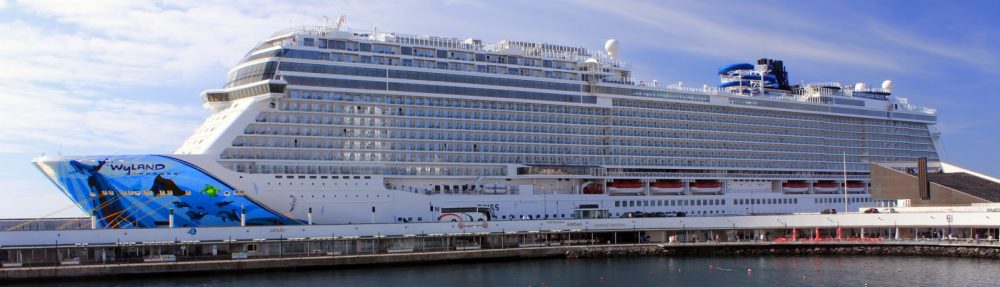
You can employ certain tricks to avoid junior cruisers on a mainstream, peak-season sailing … but it probably will cost you. Book a suite with a large balcony and maybe even a whirlpool tub to reduce your time spent on public sun decks and in public lounges. Some ship-within-a-ship complexes on lines like Norwegian (pictured) and MSC Cruises even come with exclusive pools, gyms, restaurants and lounges. (Though, beware, some families do frequent these top digs.) Choose the late dinner seating or, better yet, dine in speciality venues (the later the better) to dodge dining with the knee-biters. At the very least, try to book a verandah cabin for some outdoor privacy, and take advantage of room service. And whatever you do, avoid the buffet at rush hour.


 Wetravel2u's Weblog