Canada Drops COVID-19 Entry Requirements for Cruise Passengers

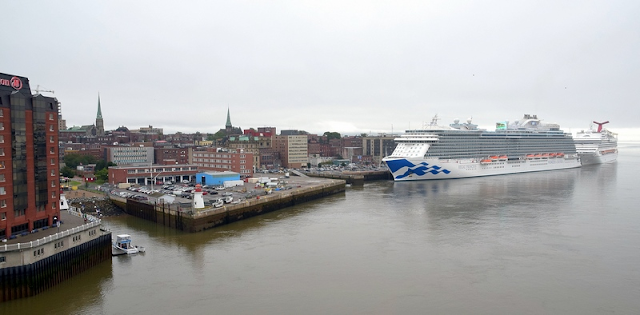
Transport Canada has announced that starting October 1, 2022, all COVID-19 border requirements, including vaccination, mandatory use of ArriveCAN, and any testing and quarantine/isolation requirements will end for all travellers entering Canada whether by land, air or sea, according to a statement.

Prior to this cruise guests were required to download and use the ArriveCAN app and provide proof of vaccination plus a negative COVID-19 test result. 

“We applaud these decisions by Transport Canada to make visiting the country easier and more convenient for all guests sailing our popular Alaska and Canada/New England itineraries, and look forward to welcoming everyone on our incredible Alaska and Canadian cruises,” said John Padgett, president of Princess Cruises. “Alaska and Canadian cruises are among the most desired vacation options in the world, and we look forward to welcoming everyone who’s waited the past three years for this market to fully open.”

According to Transport Canada, a set of guidelines will remain to protect passengers and crew, which will align with the approach used in the United States.

Coronavirus: Royal Caribbean extends suspension of sailings

Coronavirus: Royal Caribbean extends suspension of sailings

A suspension of sailings by all brands under the Royal Caribbean Cruises umbrella has been extended until the middle of May.

The world’s second-largest cruise company originally paused all global operations on March 14 until April 11.

That date was last night changed to an expected return to service on May 12.

But Alaska, Canada and New England sailings will not resume until July 1 due to port closures.

The group’s global fleet includes Royal Caribbean International, Celebrity Cruises, Azamara and Silversea Cruises.

The company said: “Given global public health circumstances, Royal Caribbean Cruises Ltd. has decided to extend the suspension of sailings of our global fleet.

“We are working with our guests to address this disruption to their vacations, and we are genuinely sorry for their inconvenience.

“We are also working with our crew to sort out the issues this decision presents for them.

“We expect to return to service on May 12, 2020. Because of announced port closures, we expect to return to service for Alaska, Canada and New England sailings July 1.”

Canada implements cruise restriction

Alaska cruises from Seattle must call in Victoria, B.C., in accordance with U.S. cabotage laws.

Canada’s government will restrict cruise ships with more than 500 passengers from calling at its ports until at least July 1, delaying the start of the Alaska cruise season for most large ship lines.

The decision will impact Alaska cruises from Seattle that have to call in Victoria, B.C., in accordance with U.S. cabotage laws requiring foreign-flagged ships sailing from U.S. ports to call in a foreign port before returning to the U.S.

Small-ship lines that operate in Alaska with U.S.-flagged ships such as Lindblad Expeditions, Alaska Dream Cruises, Uncruise Adventures and American Cruise Lines will not be impacted.

The restriction won’t impact Canada/New England cruise itineraries, as that season starts after July 1.

More than 140 cruise ships from 10 countries docked in Canada last year, Canada said, bringing at least 2 million travellers to the country. The country also deferred all cruise vessel calls in the Canadian Arctic for the entire cruise season this year, citing the limited public health capacity in Canada’s Northern communities.

Canada’s chief public health officer has already issued a health advisory recommending that Canadians avoid going on cruise ships.

“There is no immediate solution to allow cruise ships to operate in Canada while adequately containing the public health risk associated with Covid-19, other than delaying the start of the cruise ship season,” said Canada Minister of Transport Marc Garneau. “We do not take these decisions lightly and will continue to reassess as the situation evolves.”