One frustration for travel agents is when clients want to book a cruise on short notice with the expectation that they’ll be able to stay in connecting cabins. It can sometimes be hard to find rooms that adjoin or are on the same deck, much less those that connect.
But cruise lines could do more to help the situation, some travel agents say. The issue came to light at a recent travel agent forum on Royal Caribbean International’s Freedom of the Seas.
Agents said that Royal often allows connecting rooms to be booked online as singles, negating the advantage of having the connecting door between the two cabins.
“Royal Caribbean is great for families, but it is a real struggle on some of your popular sailings to find connecting rooms that do not have one already booked,” said Elise Aust, of Custom Cruise & Travel, Omaha, Neb.
Aust suggested that Royal hold the cabins back from full inventory to ensure that people who actually need them get to use them. “The last thing I’d want if I was booking a single cabin is a door to another room if I didn’t need it,” she said. “I think you would get a lot more families.”
Royal President Michael Bayley agreed that the idea made a lot of sense. “We’ll take a look at it and speak to our revenue team and see what we can do.”
Aust’s other suggestion, by the way, was to put magnifying mirrors in the bathrooms, an idea that seemed to confound Bayley.
“Really? That sounds horrifying,” he said. But he added that Royal would take a look at it for its new ships.
Onboard meetings are a lucrative market for travel agents
Relatively few travel agents are sales specialists in the lucrative meetings market. That could change, however, as cruise lines increase their focus on attracting meetings business and develop specific tools and services to help agents tap into the market.
Meetings are big business in the U.S., according to a study released earlier this year by PricewaterhouseCoopers US. The study, which quantified the size of the U.S. meetings market in 2012 and updated a similar survey conducted in 2009, sized the market at 1.8 million meetings that drew 225 million participants and generated $280 billion in direct spending. The participant volume represented a 10 percent increase over the results in 2009.
Given the sheer scope of the market, it is no surprise that the cruise industry is embracing onboard meetings by designing vessels with state-of-the-art meeting space and high tech audio/visual capabilities that rival — or exceed — what is available at land-based resorts.
“Over the past several years, there has been an explosion in the popularity of conducting meetings and conferences at sea,” says Lori Cassidy, director of global corporate meetings, incentives and charters for Royal Caribbean International. “For the past three years, our line has shown consistent double-digit growth in group meetings at sea.”
Why the upswing in corporate and special interest bookings? When comparing a land-based resort to a similar-class cruise ship and including costs for meals, entertainment, presentation equipment and meeting space, an all-inclusive meeting on a cruise ship can shave 20 percent to 30 percent off the cost of the event.
“Cost savings are historically in the double-digit range, considering the wide scope of inclusive amenities and experiences aboard a cruise ship,” says Ron Gulaskey, global director of corporate, incentive and charter sales at Celebrity Cruises. “These benefits, along with the seamless support we offer agents both in selling tools and event planning, make meetings at sea a no-brainer.”
Tax breaks are a major incentive for businesses considering booking a meeting at sea. According to IRS tax codes, any ship that holds a meeting program within the North American region (including the U.S., Puerto Rico, Guam, the U.S. Virgin Islands, the Pacific Islands, Canada and Mexico) will qualify for a tax deduction.
While this can become a major selling factor for agents whose clients are looking for the biggest bang for their meeting buck, there are many caveats to the tax code. The best approach is for agents to consult with the cruise line directly for clarification on applicable tax deductions — if that is the client’s goal.
Another major selling point is the novelty and fresh perspective a meeting at sea offers corporate clients.
“Taking people to an environment they don’t experience often or have never been to shifts their perspective altogether,” says Jo Kling, co-founder of Landry & Kling. “They’re not in a hotel ballroom, thinking: ‘Here we go again.’”
How to Get Started
There is considerable help available for agents interested in getting involved in booking meetings at sea.
One resource is the Landry & Kling. The company was founded in 1982 as a distribution channel linking the cruise industry and corporate America. Landry & Kling arranges meetings at sea for its own clients and works with travel agents who want assistance on booking onboard meetings based on a revenue sharing program. The company’s website contains numerous documents on tax implications and cost savings available to clients who book meetings at sea.
Inspirational Journeys, another company that specializes in arranging corporate meetings at sea, also has information on its website regarding tax implications of onboard meetings.
Travel agents can also get help from individual cruise lines.
Holland America Line (HAL) prides itself on taking a highly personalized, concierge-style approach to helping travel agents plan and sell meetings at sea, according to Eva Jenner, vice president, North America, of field, charter and incentive sales for HAL and Seabourn. One key service offered is a pre-cruise conference call with all critical shipboard managers, the booking travel agent and a representative of the client, to ensure that everything goes as planned onboard.
While the market for meetings at sea is booming, many travel agents are unaware of the meetings facilities and services available onboard.
“Perhaps the biggest challenge our cruise line faces is getting agents who haven’t sold a meeting at sea onboard a ship,” Cassidy says. “Once they see what we can bring to the table, they get it.”
Cruising 101: Guide to finding deals and booking a trip
Johanna Jainchill
Ready to take the plunge and book a cruise? Here’s a guide to the many booking options, from going directly to a cruise line by phone or online to using a cruise-focused travel agent. We offer tips on finding a good agent, how to find the best deals, how to choose a line and ship, how far in advance to plan a cruise, and the pros and cons of waiting until the last minute to book. We also explain such terms as a “guarantee cabin” and “Wave Season.”
How to book
There are many ways to book a cruise: direct from a cruise line; through an online or bricks-and-mortar travel agent; or through a third-party website like Expedia.com.
Using a travel agent
Most people book their cruise with a travel agent, especially first-time cruisers. There are good reasons for this:
Expertise. First, buying a cruise is a specialized purchase that requires a greater degree of understanding than other travel bookings. A good travel agent will offer expertise and experience, and most importantly, match your personality to the right cruise product. For example, agents can steer you and your kids away from a luxury line that caters to adults, or prevent your romantic getaway from being highjacked by a ship full of spring-break college kids.
No charge. Travel agents, especially those who specialize in cruises, do not charge for their services because they are paid a commission by the cruise line. (That can be both good and bad. If a travel seller seems unusually pushy about one line over another, it may be because he or she gets more commission from that line.)
Access to deals. Travel agents often have access to specials deals and savings, and can offer their clients perks and extras in the form of onboard credit, a free transfer to the airport, a complimentary meal in an onboard specialty restaurant or pre-paid gratuities. Furthermore, a good agent can cut through the clutter of deals out there, and let you know that a Caribbean cruise in early September looks like a great deal, but that’s because it’s hurricane season.
Cabin advice. Travel agents will also orient you to the dozens of cabin types some ships have. The world’s largest cruise ship, the 5,400-passenger Oasis of the Seas, has 37 cabin categories, including industry firsts, such as inside cabins with balconies.
Troubleshooting. Finally, an agent will be your advocate if something goes wrong. While 99% of the time you won’t need to call your agent once the ship sets sail, unforeseen problems do occur (usually weather related). An agent often has some muscle with the cruise lines, which might be able to help get you home in a tough situation, and they will help you change your ticket if they see a snowstorm is coming.
Finding an agent
Finding a “good” travel agent, however, can be challenging. For one, there are literally hundreds of websites that sell cruises. Many people who book with an online cruise seller are not always aware that they are, in fact, buying from a travel agent. Follow these tips:
Use word of mouth. If you know someone who had a good experience, ask for a referral.
Look for their affiliations. Travel sellers can become accredited cruise specialists through the Cruise Lines International Association (CLIA). Those agents can achieve up to three levels: Accredited (ACC), Master (MCC) and Elite (ECC). That means they have completed a training program on various cruise products and are required to sail and inspect a certain number of ships. They must also make a certain number of annual cruise sales, demonstrating their experience in working with customers and selling travel. To find a CLIA-certified agent near you, go to the Cruise Expert Locator at cruising.org and input your zip code.
Travel agents can also become certified “experts” by the various cruise lines. For example, if you are interested in Royal Caribbean cruises, they have a list of travel agents specialized in their product here:royalcaribbean.com/customersupport/travelagentLocate.do. Other lines do the same.
Look, also, for the initials CTC after an agent’s name. They stand for Certified Travel Counselor, which means the Travel Institute has certified they have at least five years of full-time industry experience and have completed certain tests and programs. Another resource is the American Society of Travel Agents (asta.org), the world’s largest travel-agent association.
Check their specialties. Once you’ve identified an agent, find out what cruise lines he or she is expert in: If you are interested in an adventure trip to Antarctica, find someone who specializes in that rather than mass-market cruising to the Caribbean.
Also, find out if that agent has been on the ships and brands you are interested in. Experienced cruise specialists often sample ships so they can advise clients with first-hand knowledge.
Booking direct
If you are a savvy cruiser who knows exactly what you want, or if you have the time to do a lot of research, booking direct might be for you.
Almost every cruise line has a direct booking option on its website or by calling its reservations center.
Picking a cruise
Matching your personality and tastes to the right cruise line and ship is imperative. To the inexperienced eye, all cruise ships might look the same. But there are major differences between the lines and even the ships within the same line.
Lines. Norwegian Cruise Line bills itself as a “freestyle” cruise line in terms of dining, and was the first to veer from the traditional two-set dining times. While most cruise lines now offer a variety of restaurants, NCL’s newest ship doesn’t even have a main dining room, a cruise ship staple.
Royal Caribbean targets an active crowd with its rock climbing walls, surfing simulators, boxing rings, and an onboard zipline.
Carnival Cruise Lines has never stopped calling its vessels, “the Fun Ships,” and that is what they aim to offer guests.
MORE: How to pick the perfect cruise
Then there are the niche brands: Azamara Club Cruises keeps its ships in port late to allow passengers to explore the nightlife in places like St. Tropez. Cunard Line tries to give its passengers the feel of being on an early 20th-century ocean liner. Much of the Celebrity Cruises experience is centered around food and wine, while Holland America passengers enjoy a wide range of lecturers and enrichment classes.
The upscale lines also offer different experiences — from the laid-back, yacht-like vibe of the 50-cabin Seadream Yacht Club vessels to the ultra-luxury pampering of a Seabourn ship, to the sails blowing in the wind on a Windstar Cruises vessel, there really is a product for everyone.
Ships. First of all, size matters. The larger the ship, the more there will be to do onboard including restaurants, entertainment, and daily activities. For families, it usually means there will be activities targeted to all age groups.
In terms of itinerary, generally the bigger the ship, the bigger and busier the ports it will go to. Only the smallest of ships can call at tiny islands, but 12 huge cruise ships at once can — and do — call in Cozumel, Mexico.
Another rule of thumb is that the smaller the ship, the higher the price tag. Small cruise ships are usually in the luxury or adventure segment of the market. They offer the highest crew-to-passenger ratios and some of the largest suites at sea.
PHOTOS: The seven most spectacular new suites at sea MORE: Cruise entertainment, dining options increase, diversify
Many small ship lines are “all-inclusive” meaning that depending on the line, beverages like specialty coffees, soft drinks and alcohol will be included in the fare, as will some of the classes and activities you would be charged for on a larger ship.
One luxury cruise line, Regent Seven Seas Cruises, even includes a selection of complimentary shore excursions.
Smaller ships are more intimate and you will probably get to know people after a few days, while on the largest ships, you might never cross paths with the same people twice.
Small ships usually have a more mature crowd and have very little for children to do. Nightlife and the casino are often afterthoughts.
While there won’t be nearly as many places to eat as on the biggest cruise ships, the cuisine on small ships is often the finest at sea.
Next, think about what ship features are important to you — is it the “wow factors” like a zipline, surfing simulators, and bowling allies? Or are you more interested in the most extensive spa or the most roaring nightlife and casino at sea?
Do you want to try a different cuisine every night, or have the most spaces for your kids to run around?
Do you like your entertainment to be Broadway-like or cabaret style?
Lines become known for certain amenities, but those features are often found only on their newest ships. Norwegian’s “freestyle” dining experience, for example, isn’t as freestyle on its oldest ships, which don’t have as many choices as its newest ones do.
If you love Princess Cruises’ adults-only Sanctuary area or its Movies Under the Stars jumbo pool screen, be advised these amenities are not found on all of the line’s older vessels.
The newest vessels with the most newfangled amenities will always command major premiums. But if you’re willing to cruise on a vessel only a couple years older, the price will drop significantly.
At the same time, cruise lines invest millions of dollars into those old ships, and often give them the most popular amenities from the newest ones. For example, Celebrity Cruises is refurbishing many of its older ships with the best features from its newest Solstice-class vessels.
Cabin selection
There can be up to 37 different kinds of cabins on each ship. The smaller the ship the fewer the choices, but even suites on a smaller, luxury ship will have different sizes and configurations.
Categories. Most cabins fall into three categories: inside, outside, and balcony.
Inside cabins are the ship’s smallest and most basic. They can generally fit up to four people by utilizing bunk beds.
Outside cabins, or oceanview, have seaside windows and come in different sizes and layouts depending on their location.
Balcony cabins have attached private balconies. A standard balcony cabin will usually have a table and two chairs on it, while larger suites will have loungers.
The most expensive cabins are the suites. The most luxurious ones have large dining rooms and bars and several bedrooms. Located on the ship’s corners, they may have wrap-around balconies with private hot tubs. Oceania Cruises used big-name designers from Ralph Lauren Home for the top suites on its newest ship, the Marina, while the Oasis-class vessels have duplex loft suites with two-story windows looking out to sea.
Location. Cabin location is also important, especially if you are prone to seasickness. Rooms located in the middle of the vessel and lower down tend to experience the least amount of motion.
Also, keep in mind that on the largest ships the distance from one end to the other is quite far. Think about whether you want to be near the elevators, the fitness center, the lido-deck buffet, children’s play areas, etc.
If you are traveling with your family, ask about adjoining cabins. Most vessels have cabins that join via an interior door making two cabins feel like a mini-suite. While older ships have fewer of these, the newest ships that cater more to families have introduced more adjoining cabin possibilities.
When to buy
Most cruise ships sell from the inside out and outside in; the most expensive suites and least expensive inside cabins sell out first, leaving the standard balcony cabins as the last to go.
If you are particular about a certain cabin, a certain date, and a particular itinerary, you should book early. The cruise lines encourage this and usually offer early-booking incentives. Certain lines are better at giving the early buyer the best deal, while others tend to dump inventory at the last minute. Generally, what’s left the month before departure is not going to be the best cabin on the best itinerary.
Travel agents typically advise booking at least six months out for the best cabins during peak travel time. Cruises on small ships to unusual destinations like Antarctica can sell out over a year in advance.
Further, there is more demand on the mass-market ships when school is out. And you’ll pay a premium to cruise over the holidays and during spring break.
Off-peak sailings are often the best deals, and if you can handle being on a ship for many days at sea, repositioning cruises — when cruise lines relocate their ships from one region of the world to another to start a new season, such as a crossing from Europe to the Caribbean in the fall, and back again in late spring — are often among the best deals at sea.
Finally, consider the cost of air. Even if you can get a last-minute deal on a cruise, last-minute airfare to the port could be much higher.
Wave season
One of the best times of year for deals is during Wave Season, the period between January and March that has traditionally been the industry’s hottest selling period.
The combination of winter-weary consumers and cruise lines’ desire to move inventory early — so they can raise prices later — means that this is when the cruise lines make high-value offers like free upgrades, onboard credit, and free airfare. But shop around. Even among different travel agents you will find different perks based on the volume they do with certain lines.
Booking last minute
If you aren’t picky and just want a cheap getaway, it might be worth waiting for a last-minute deal. But they can be unpredictable. Weather, oil prices, consumer confidence, world events and employment reports can all impact the price of a cruise.
To find a combination of a good last-minute price and desirable cabins, time your cruise search for when people can cancel their reservations without penalty (usually between 60 to 90 days before departure). These cancelled cabins might go for reduced rates at the last minute.
Guaranteed cabins
If you don’t care about your cabin location, you can get a good deal by taking the “guaranteed cabin” option. Rather than be assigned a specific cabin number, you will get a guaranteed cabin type — oceanview, inside, balcony — but you won’t know where it is until you board the ship. This can save you hundreds of dollars, but you may end up at the bottom, rear of the vessel.
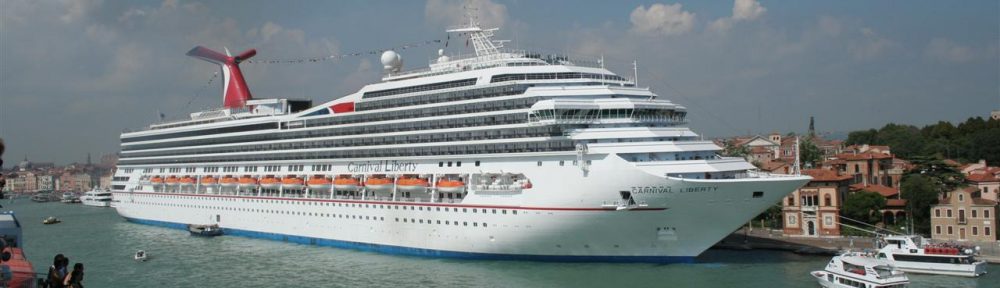


 Given the sheer scope of the market, it is no surprise that the cruise industry is embracing onboard meetings by designing vessels with state-of-the-art meeting space and high tech audio/visual capabilities that rival — or exceed — what is available at land-based resorts.
 Wetravel2u's Weblog