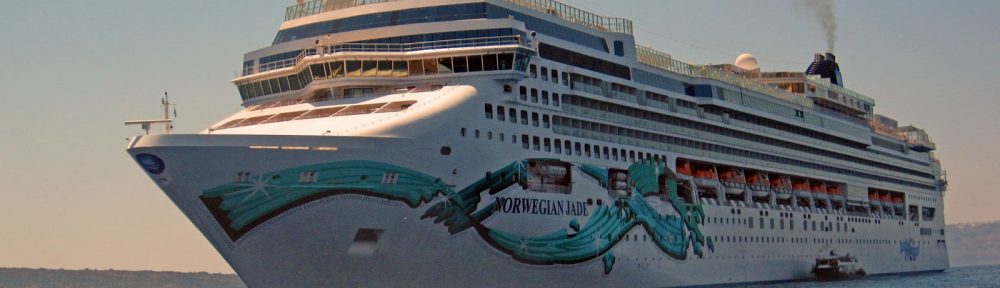

Although U.S. laws still prohibit leisure travel to Cuba, cruise lines are waiting with plans in hand for the green light. Since last month’s announcement that Fathom, Carnival Corporation’s new social impact brand, was granted a license to sail from the Port of Miami starting next May, the floodgates seem ready to open.
Although Fathom is accepting bookings, negotiations with Cuba are not yet complete, and settling on ports of call remains up in the air. Rates for Cuba cruises, which start at $2,990 per person, are double those for Fathom’s originally announced Dominican Republic sailings, and Cuban fees will be tacked on to the cruise fare.
Meanwhile, Tom Baker, co-owner of Houston-based Cruise Center, has found land tours extremely high-priced in comparison to cruises.
“We’re looking at around $1,000 per day for a destination that is not a luxury experience,” he said. “I’m sure the tour operators are doing wonderful things, but they are still left with mediocre hotels, terrible roads and buses that may or may not maintain air conditioning. So I went to Cuba Cruise, where the highest-priced staterooms run around $3,000 for two people on a weeklong cruise, including shore excursions and an all-inclusive beverage package. You don’t have to take long bus rides, and both food and accommodations are going to be comfortable, at the very least.”

Baker originally booked a people-to-people cruise for himself, then decided to see if a LGBT group he was working with wanted to go as well. Now, he has more than 200 clients sailing on a Jan. 1 cruise, and the number of passengers continues to grow, all with little marketing.
Bonnie Habel, president of Fuller Travel in San Antonio, sees the current requirement for cruise passengers to interact with locals on the ground as another positive selling point.
“A lot of work and thought goes into those excursions, and it’s not just shopping and seeing a historic site,” she pointed out. “And with the cruise, people get a predictable level of food and lodging.”
One of the most intriguing aspects of the Fathom announcement is that president Tara Russell is also tasked with finding social impact cruise opportunities for other brands in Carnival Corporation’s huge fleet.
Habel and others believe they could sell the highest-level accommodations on a luxury ship in Cuba.
“If Carnival is smart, they will put Seabourn Cruise Line in there,” Habel said. “The highest-priced accommodations would fly out the door.”
Cuban-born Frank Del Rio, president and CEO of Norwegian Cruise Line Holdings Ltd., called the Carnival move a “critical first step.”

“Cuba will shine new light on the Caribbean, still the biggest cruise destination in the world,” he said.
According to Del Rio, Cuba has five or six ports with qualities “as different as New York and Texas,” and he believes all three of his brands — Norwegian Cruise Line, Oceania Cruises and Regent Seven Seas Cruises — could differentiate themselves enough to more than satisfy the desires of various clienteles.
In addition to Fathom, a group of Florida ferry companies has been approved by the U.S. government to operate service to Cuba, including United Caribbean Lines, run by veteran cruise executive Bruce Nierenberg. His company is working with Haimark Ltd. to put the 210-passenger Saint Laurent into operation as the first small ship operated by a U.S. cruise line to circumnavigate Cuba in more than four decades. The line will offer nine-night roundtrip departures from Miami to Cuba beginning Feb. 20, pending final government approval.


 Wetravel2u's Weblog