Covid delays debut of start-up Norwegian cruise line

Covid delays debut of start-up Norwegian cruise line

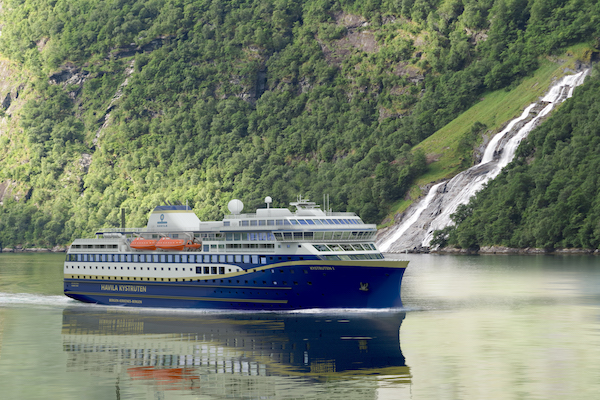
The first two of start-up Norwegian cruise line Havila Voyages’ four new coastal ships have taken to the water following construction delays due to Covid-19.

The twin launch of the 6,200-ton vessels took place at the Tersan shipyard in Turkey on Saturday.

But the first two ships will not be ready for the new year as originally planned as the coronavirus pandemic has affected the shipyard over the last six months.

Delivery may now take place during the first quarter of 2021,” based on current knowledge,” according to Havila Voyages’ chief executive Arild Myrvoll.

In anticipation of the new 179-cabin ships, the firm has received approval for two replacement vessels.

But demand for the coastal route between Bergen and Kirkenes is currently “very uncertain”, and the need for capacity at the start of the new contract on January 1 is under evaluation, the company disclosed.

The coronavirus pandemic and travel restrictions are affecting the entire travel industry and are also making it difficult for Havila Voyages to be specific about what will happen next year.

“But we are pleased to note that there is a lot of interest in Havila Voyages from travel agencies and tour operators. We are in great demand and are looking forward to getting going,” Myrvoll added.

The ships have been on land for longer than usual to expedite the construction process as much as possible, with several tasks streamlined.

Myrvoll added: “This means that the work on the ships that have been launched is well underway with regard to plumbing, machinery, electricity and fixtures and fittings.

“It will be good to start providing people living along the coast, and tourists, with safe transport and environmentally friendly sailing on the world’s most beautiful coastal voyage.”

Havila Castor and Havila Capella will be powered by liquified natural gas (LNG) supported by giant battery packs.

They will be the most environmentally friendly ships on the coastal route between Bergen and Kirkenes from 2021, the company claims.

The batteries will enable them to run for four hours without creating noise or emissions.

Havila Voyages has an agreement with the Norwegian transport ministry to operate four of the 11 ships that sail the coastal voyage between Bergen and Kirkenes from 2021 to 2030.
NCL Holdings forecasts ‘strong demand so long as it’s safe’

NCL Holdings forecasts ‘strong demand so long as it’s safe’
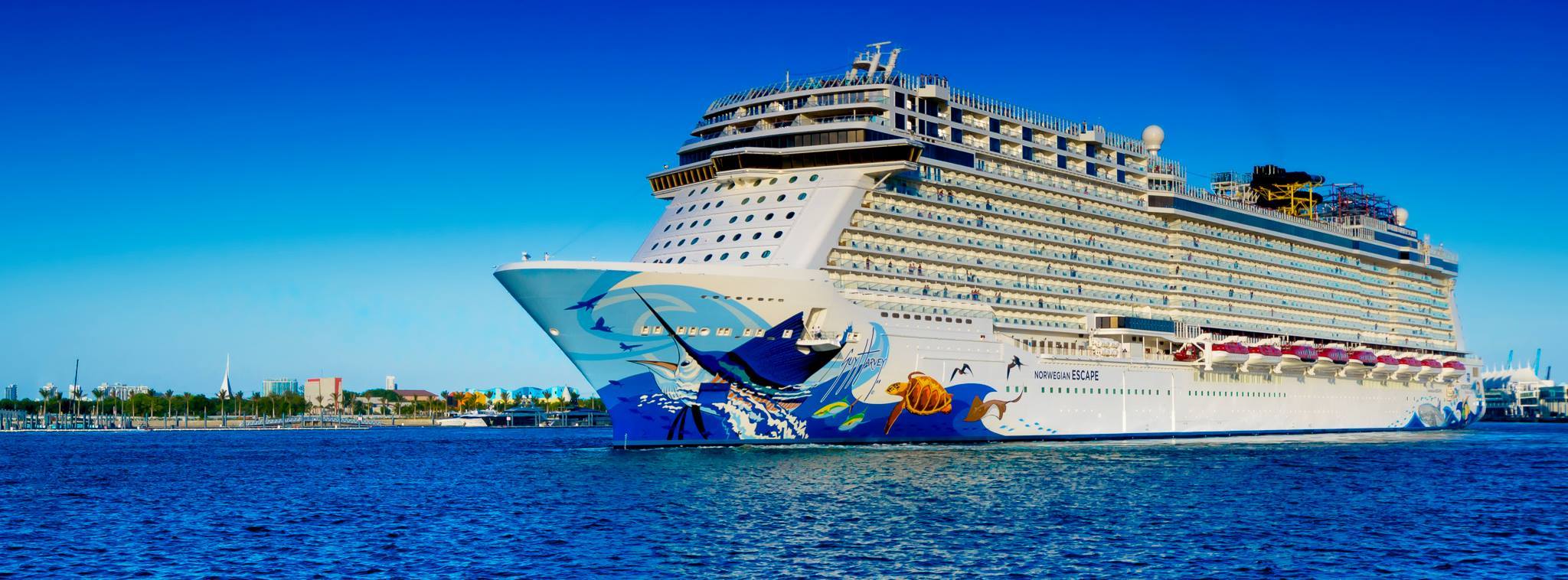
Norwegian Cruise Line Holdings chief executive Frank del Rio reported “strong demand for future cruises” as the company recorded a half-year loss of $2.65 billion this week.
Del Rio dismissed a suggestion the Covid crisis could put many cruise-focused travel agencies out of business, but he described the Covid infection of passengers and crew on Hurtigruten’s MS Roald Amundsen as “disappointing”.
He suggested Norwegian Cruise Line Holdings could see a “limited” return of sailing in November and December.
The company’s sailings are currently suspended through to the end of October.
Del Rio insisted: “There continues to be strong demand for future cruises despite our reduced marketing. Consumer demand is evident across markets.”
He forecast: “The last two months of 2020 could see a return of sailing with limited capacity.  We’ve taken important initial steps.
“We’re developing safety protocols with the formation of the Healthy Sail Panel which demonstrates our commitment to combating the spread of Covid and bringing back cruising sooner rather than later.”
The Healthy Sail Panel of experts, set up in collaboration with Royal Caribbean International in July, is working to develop recommendations for a safe resumption of cruising.
Del Rio said: “The panel will submit its initial recommendations to the [US] government and Centers for Disease Control (CDC) for evaluation.”
He acknowledged: “Things will be different, of course. We’ll be mindful of how measures impact on the cruise experience.”
NCL Holdings chief financial officer Mark Kempa said: “We expect to launch with a handful of ships at first with low occupancy.
“Our break-even [on operating ships] is at around 40% of normal revenue. Layer on corporate overheads and it would require 60% of normal revenue.”
Asked whether the crisis could transform cruise distribution, which remains overwhelmingly through travel agencies, del Rio said: “We have seen smaller travel agencies folding and larger ones furloughing employees. We’ve seen an uptick indirect business.”
But he argued: “It might be exaggerated because of the partial closures of agencies. We think travel agencies will survive. Travel agencies have shown their resilience over the long term.
“Not too long ago people were predicting the demise of travel agencies, but they came back stronger. Long term you won’t see much change.”
Del Rio insisted: “We enjoy a very loyal customer base in the cruise industry. Between 15 million and 20 million people have not been allowed to cruise this year – there will be a lot of pent-up demand.
“People are booking. We’ve not seen any major shifts in consumer behaviour. We’ve not changed our itineraries. If people favour cruising closer to home or not going to Asia, we’re not seeing it.
“My instinct is we will be [operating] somewhere in the range of 75% of capacity for the full year 2021. It might start at 50%-60%, with the limitation being concern about the spread of Covid more than about consumer demand.
“So long as we can ascertain cruising is safe we’ll have customers coming back in droves.”
Del Rio added: “We’re hopeful we’ll be able to put together a comprehensive set of health and safety protocols that get us back quickly.”
Asked about the Covid outbreak on the Hurtigruten ship which infected more than 50 passengers and crew, Del Rio said: “It’s disappointing – the re-emergence of Covid aboard vessels.
“But it’s an opportunity to learn something. The cruise companies and ports which suffered these setbacks have handled it well. We’ve not had a repeat of what happened at the start of the crisis.”
Kempa reported the group paid out $725 million in cash refunds to customers in the three months to June, more than the company’s cash burn of $575 million during the quarter.
He said future cruise credits make up 30% of advance bookings and monthly cash burn had fallen to about $160 million.
The company ended June with $2.26 billion in liquidity after raising $2.3 billion during the second quarter.
Norwegian Cruise Line Holdings operates 28 ships like Norwegian Cruise Line, Oceania Cruises and Regent Seven Seas Cruises.

Norwegian Cruise Line Holdings postpones return until November

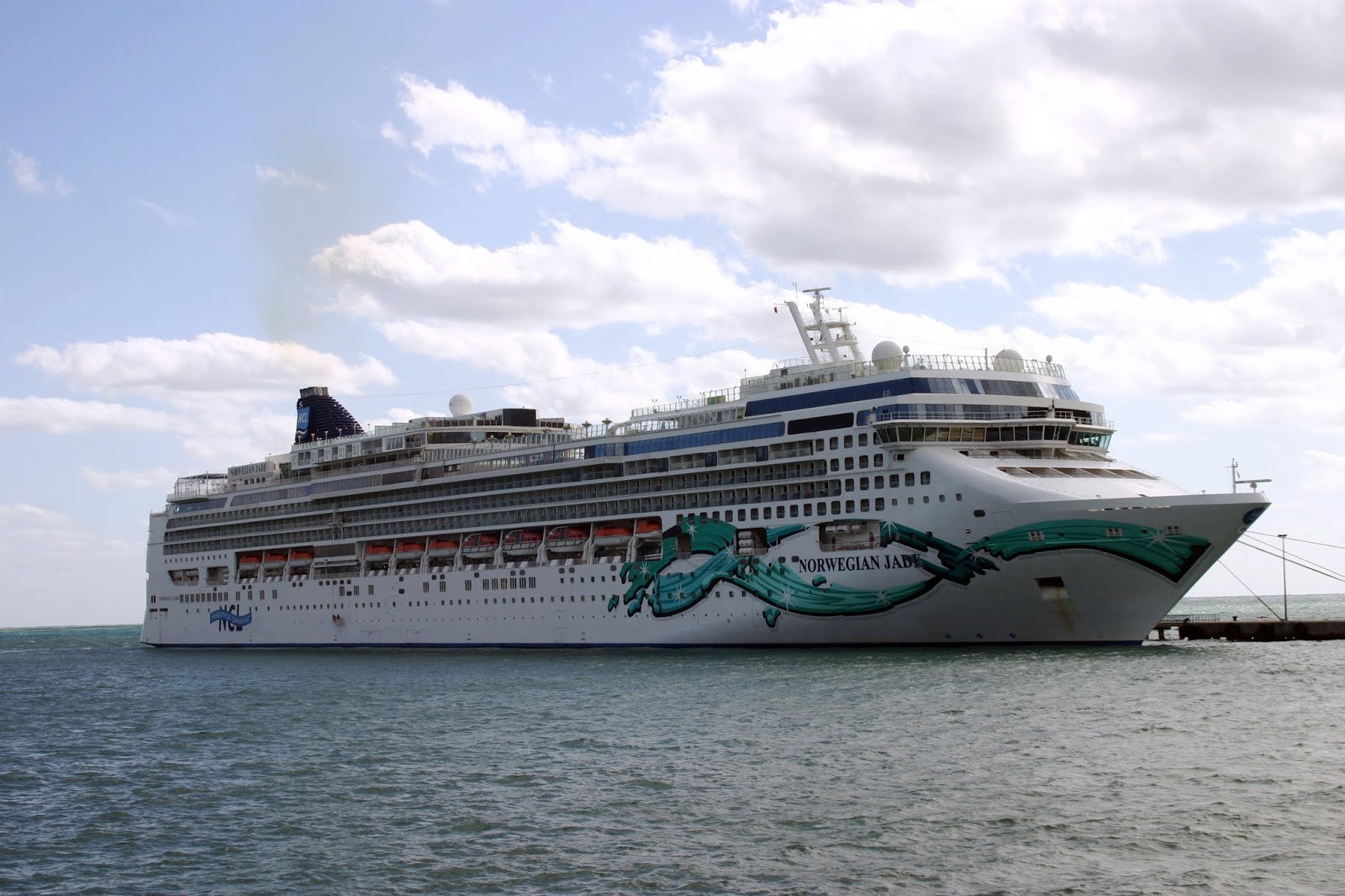
Norwegian Jade

Norwegian Cruise Line Holdings’ three lines – Norwegian Cruise Line, Oceania and Regent Seven Seas Cruises — will not sail until November.

NCLH is the latest cruise company to push back the suspension of sailings beyond the Centers for Disease Control and Prevention’s No Sail Order through Sept. 30.

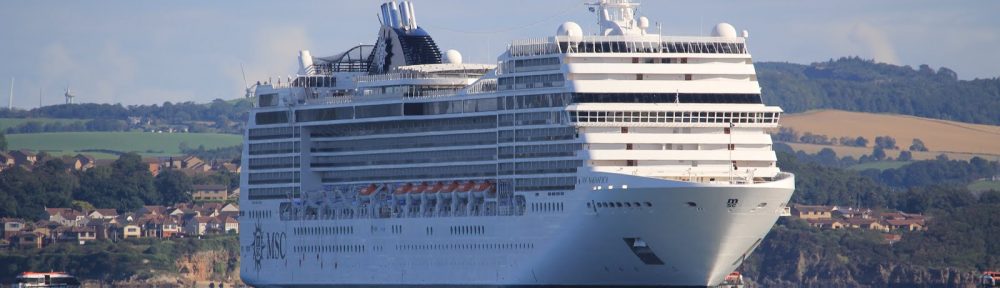
Most of the major cruise lines serving the North American market have extended their pause to conform to the CDC order, including the Royal Caribbean Group brands, Carnival Cruise Line and MSC Cruises. Princess recently extended its suspension of nearly all cruises through mid-December, and many Holland America ships are not slated to set sail until mid-October or November.

Windstar Cruises recently pushed back its Tahiti sailings, which are to be the line’s first cruises to resume service, from Sept. 10 to Oct. 15, to align with the CDC order.