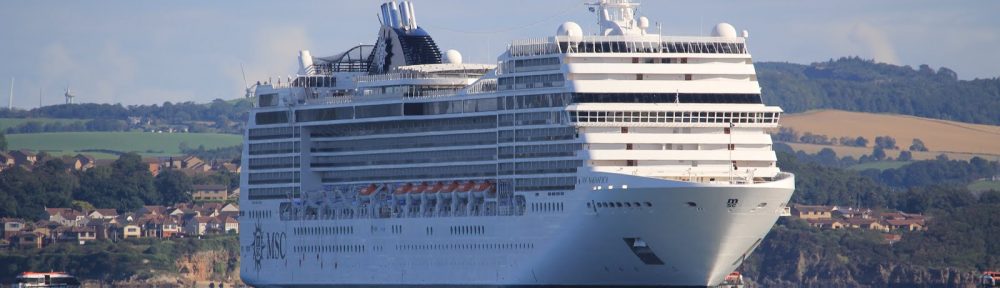

With six ships back in service, the MSC Cruises fleet is concentrated in Europe. Here is the location of every ship as of June 26, 2021:
MSC Seashore
Year Built: 2021
Capacity: 4,560 guests
Location: Monfalcone, Italy
The MSC Seashore is currently in the final stages of construction at Fincantieri’s Monfalcone shipyard. The third ship in the Seaside Class, its scheduled to enter service on August 1.
MSC Virtuosa
Year Built: 2021
Capacity: 4,888 guests
Location: United Kingdom
One of the MSC ships in service, the MSC Virtuosa is currently cruising in the United Kingdom.
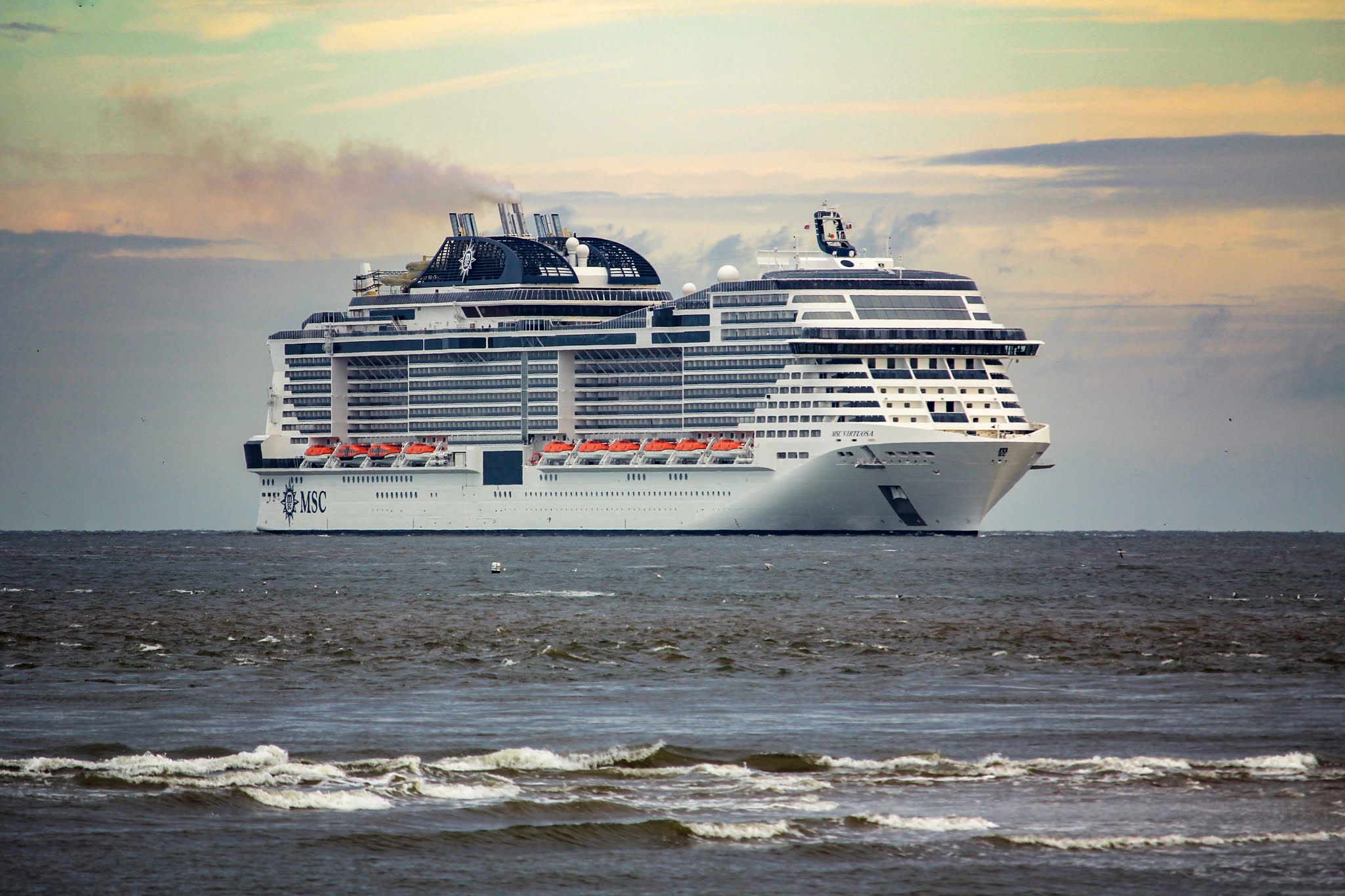
MSC Virtuosa arriving in Liverpool, photo by Dave Jones
MSC Grandiosa
Year Built: 2019
Capacity: 4,888 guests
Location: Western Mediterranean
Like the MSC Virtuosa, the MSC Grandiosa is back in service. The vessel is presently offering a 7-night itinerary to Italy, Spain and Malta with calls in ports such as Naples, Civitavecchia, Barcelona and La Valletta.
MSC Bellissima
Year Built: 2019
Capacity: 4,500 guests
Location: Dubai, UAE
Sailing in the Emirates when cruises were suspended in March 2020, the MSC Bellissima has been in Dubai for over a year.
MSC Seaview
Year Built: 2018
Capacity: 4,140 guests
Location: The Mediterranean
After several months in Italy, the MSC Seaview is currently sailing in the Mediterranean en route to Germany. The vessel is poised to resume service in the Baltic Sea on July 3, sailing from Kiel.
MSC Meraviglia
Year Built: 2017
Capacity: 4,500 guests
Location: Florida Coast
As part of its service return preparations, the MSC Meraviglia docked in Miami recently. The U.S.-based ship is set to resume guest operations in the region on August 2.
MSC Seaside
Year Built: 2017
Capacity: 4,140 guests
Location: Western Mediterranean
Another MSC ship back in service, the MSC Seaside is presently sailing in the Western Mediterranean. The vessel offers seven-night cruises in the region, visiting Italy and Malta.
MSC Preziosa
Year Built: 2013
Capacity: 3,500 guests
Location: Naples, Italy
The MSC Preziosa remains docked in the Port of Naples, Italy. Until late 2020, the Fantasia-class ship was spending the operational pause in the Bahamas, along other U.S.-based MSC ships.
MSC Divina
Year Built: 2012
Capacity: 3,500 guests
Location: Civitavecchia, Italy
After a visit to Augusta, the MSC Divina returned to Civitavecchia earlier this month.
MSC Magnifica
Year Built: 2010
Capacity: 2,550 guests
Location: Eastern Mediterranean
The MSC Magnifica welcomed the passengers back on June 20, offering cruises to the Eastern Mediterranean. The vessel is currently sailing from Venice, on a seven-night itinerary with calls in Bari, Piraeus, Mykonos and Split.
MSC Splendida
Year Built: 2009
Capacity: 3,300 guests
Location: Eastern Mediterranean
Sailing from Trieste, the MSC Splendida resumed service on June 12. The Fantasia-class ship is now offering seven-night cruises to the Eastern Mediterranean, with calls in Greece, Croatia and more.
MSC Fantasia
Year Built: 2008
Capacity: 3,300 guests
Location: Malta
The MSC Fantasia is presently in Malta. The vessel recently docked in the port of La Valletta, near the Palumbo Group Shipyard, which was partly acquired by MSC in 2020.
MSC Poesia
Year Built: 2008
Capacity: 2,550 guests
Location: Trieste, Italy
The MSC Poesia is currently docked in Trieste, Italy, along with the MSC Sinfonia.
MSC Orchestra
Year Built: 2007
Capacity: 2,550 guests
Location: Eastern Mediterranean
On June 5, the MSC Orchestra became the first MSC ship to resume service in the Eastern Mediterranean. The Musica-class ship is currently sailing from Venice, offering a seven-night itinerary to Greece and Croatia.
MSC Musica
Year Built: 2006
Capacity: 2,550 guests
Location: Genoa, Italy
After some time in Augusta, in Southern Italy, the MSC Musica recently arrived in Genoa. The vessel is currently docked at the Ponte dei Mille Cruise Terminal.
MSC Opera
Year Built: 2004
Capacity: 1,712 guests
Location: Augusta, Italy
The MSC Opera is anchored off the Port of Augusta, in the island of Sicily, Italy.
MSC Lirica
Year Built: 2003
Capacity: 1,560 guests
Location: La Valletta, Malta
After suffering a fire incident in Corfu in April, the MSC Lirica is currently in Malta. The ship is docked near the Palumbo Group Shipyard, in La Valletta.
MSC Sinfonia
Year Built: 2002
Capacity: 1,554 guests
Location: Trieste, Italy
Along with the MSC Poesia, the MSC Sinfonia is docked in Trieste. The vessel arrived in Italy in December, from Brazil.
MSC Armonia
Year Built: 2001
Capacity: 1,554 guests
Location: Ocean Cay, the Bahamas
The MSC Armonia is currently near Ocean Cay, MSC’s private island in the Bahamas. As the other U.S.-based vessels of the fleet, it has been spending the operational pause in the region.


 Wetravel2u's Weblog